
AI Can Support Sales, but Trust Happens Between People.
Your team has more technology, data, automation, and AI support than ever. But when the conversation changes, the relationship is still human.
Automate the prep. Keep the relationship human.
AI can help research an account. Draft an email. Summarize a call. Organize information. Generate a first pass at the pitch.
That makes the moments technology can’t manage for you even more important.
Great sales conversations require attention, curiosity, adaptability, and trust. Those aren’t just presentation skills. They’re human skills.
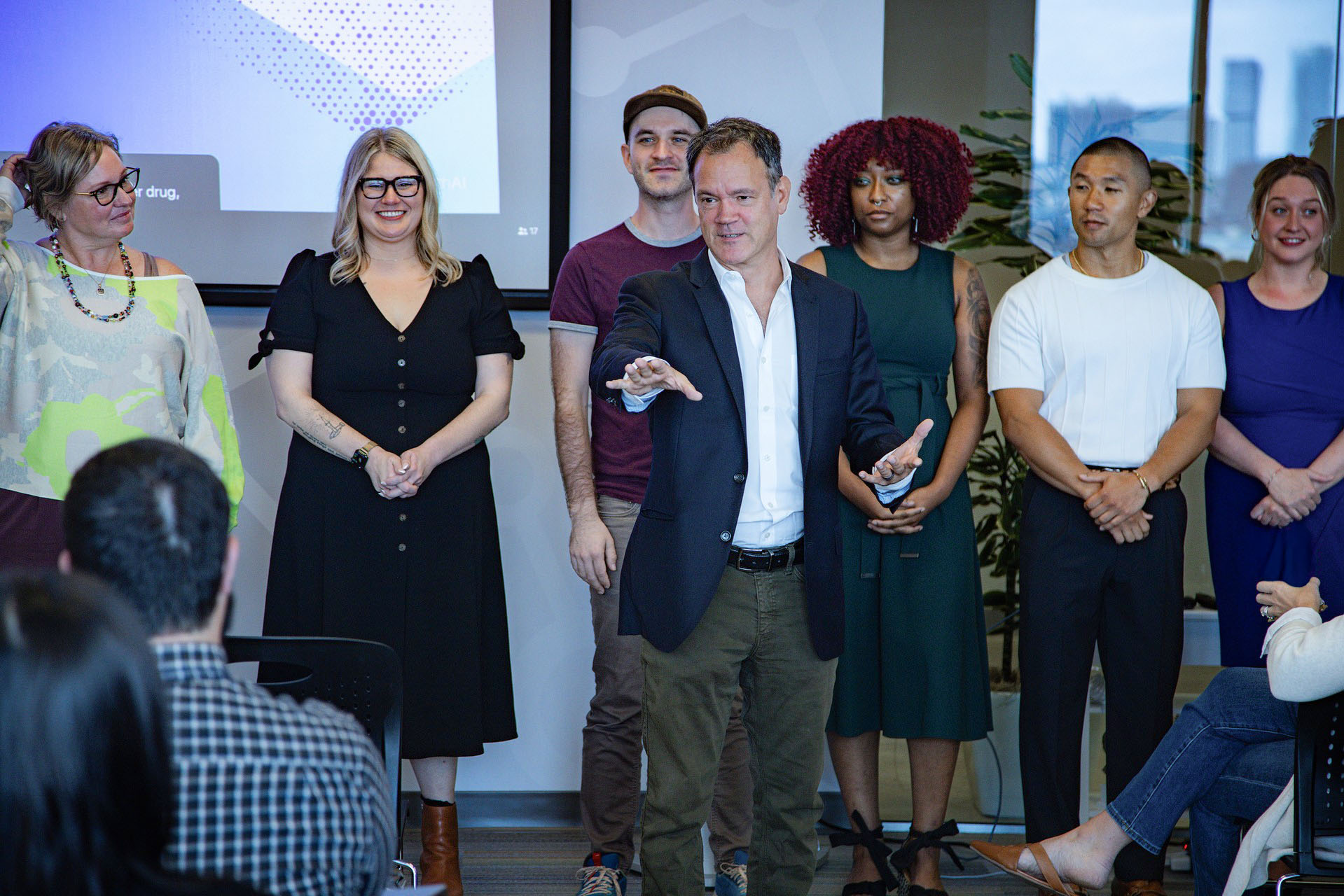
Selling gets interesting when the script stops working.
Improv is built around entering a conversation without knowing exactly where it will go. That makes it practical training for people whose work depends on live conversations with customers, prospects, and colleagues.
Listen for what is actually being said
Good listening is more than waiting for your turn to talk. Participants practice giving the other person their attention and responding to what they actually hear.
Respond instead of reciting
A prepared message is useful. Knowing when to leave it behind is another skill entirely. Practice staying present when the conversation moves somewhere unexpected.
Build before you redirect
Improv teaches participants to recognize and work with what another person has offered. In sales, that means acknowledging the customer’s reality before trying to move the conversation somewhere else.
Stay comfortable without the perfect answer
Not every objection has an elegant response waiting in the enablement platform. Practice staying confident, curious, and engaged while thinking in real time.
Give your team skills they can use immediately.
Sales organizations already bring people together to align, learn, reset, and prepare for what comes next. Add a session that gets them out of their seats and into the skills behind better conversations.
Sales Kickoffs
Set the tone for the year with something active, collaborative, and directly connected to how your team communicates with customers and one another.
Annual & Regional Sales Meetings
Break up content-heavy agendas with experiential training that reinforces listening, adaptability, confidence, and collaboration.
Sales Retreats & Offsites
Give the team time to reconnect while working on skills that still matter once everyone goes back to their territories and accounts.
Sales Leadership Meetings
Explore presence, coaching conversations, adaptability, influence, and what happens when a leader needs to respond without a prepared script.
The deck tells them what you sell. The conversation tells them if they want to work with you.
Practice the part of selling that can’t be rehearsed perfectly.
Participants work through interactive exercises designed around attention, listening, adaptability, confidence, and building on what another person gives you.
The room becomes a low-stakes place to notice communication habits that are difficult to see during a real customer conversation.
Are you listening for information or waiting for an opening?
Do you acknowledge what someone said before redirecting?
What happens when you don’t know the answer?
Can you stay curious when the conversation moves away from your plan?
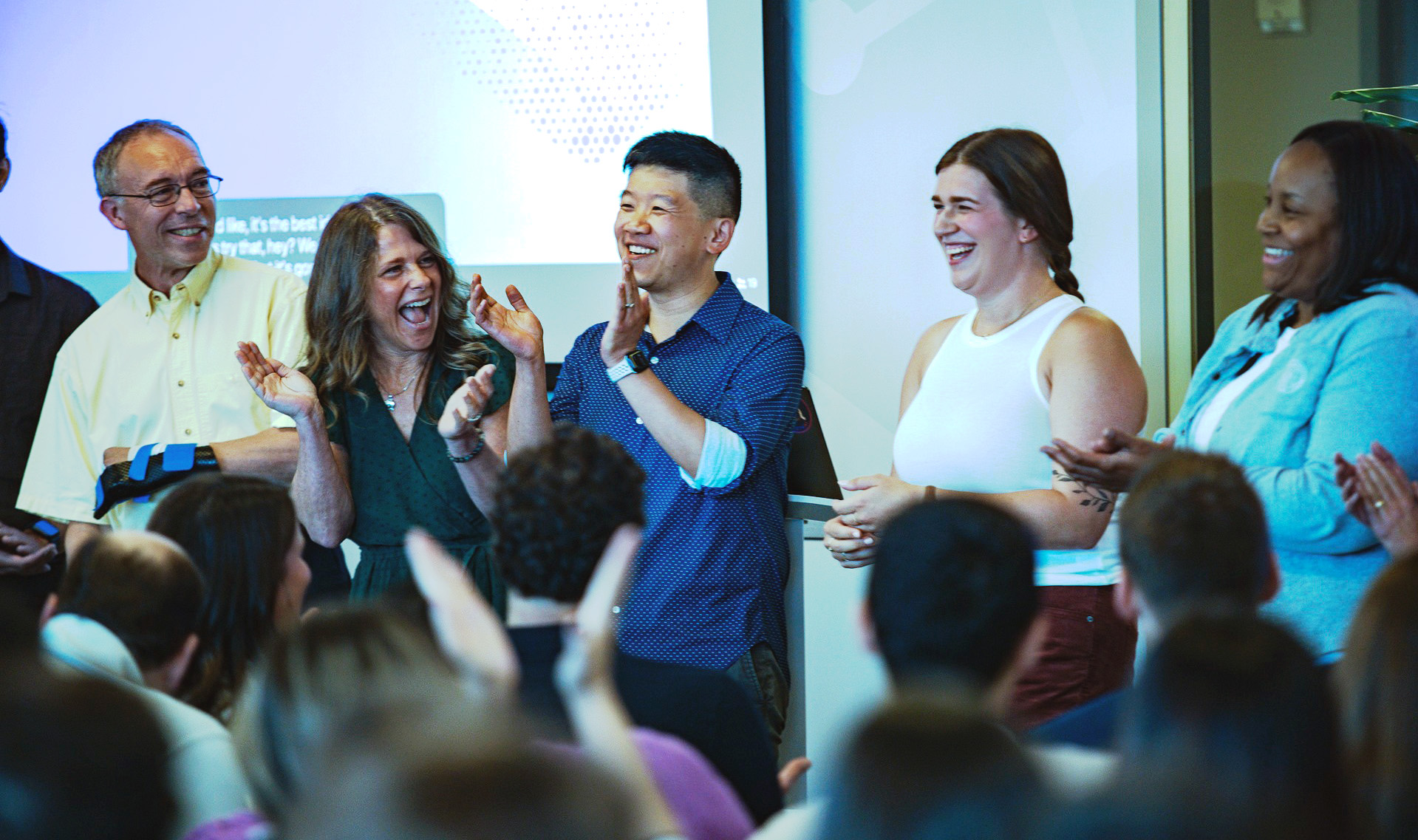
Efficiency gets you to the conversation. Connection moves it forward.
The tools around sales will continue to get smarter.
That doesn’t make human interaction less relevant. It raises the value of the moments when a customer is looking for judgment, confidence, curiosity, empathy, or a real response rather than another piece of automated content.
Your competitive advantage isn’t pretending the technology doesn’t exist. Use it. Then make sure your people are equally good at the part that happens when two humans are actually talking.

Strong customer relationships usually have a team behind them.
Sales rarely operates alone.
Account executives work with SDRs. Sales works with marketing. Customer success inherits relationships. Product teams answer questions. Leadership gets pulled into important accounts.
Improv-based training gives teams practice listening to one another, building on ideas, sharing information, adapting quickly, and supporting the person who currently has the conversation.
The same habits that improve a customer conversation can make the conversations behind it better, too.
Make it part of the agenda, not an escape from the agenda.
Open the Meeting
Use the session early to get people interacting, lower barriers, and establish participation before the agenda becomes presentation-heavy.
Break Up the Content
Place it between product updates, strategy sessions, or leadership presentations to reset attention while reinforcing useful communication skills.
Go Deeper at the Retreat
Use a longer workshop when you want the team to explore communication patterns, trust, adaptability, influence, or collaboration in more depth.
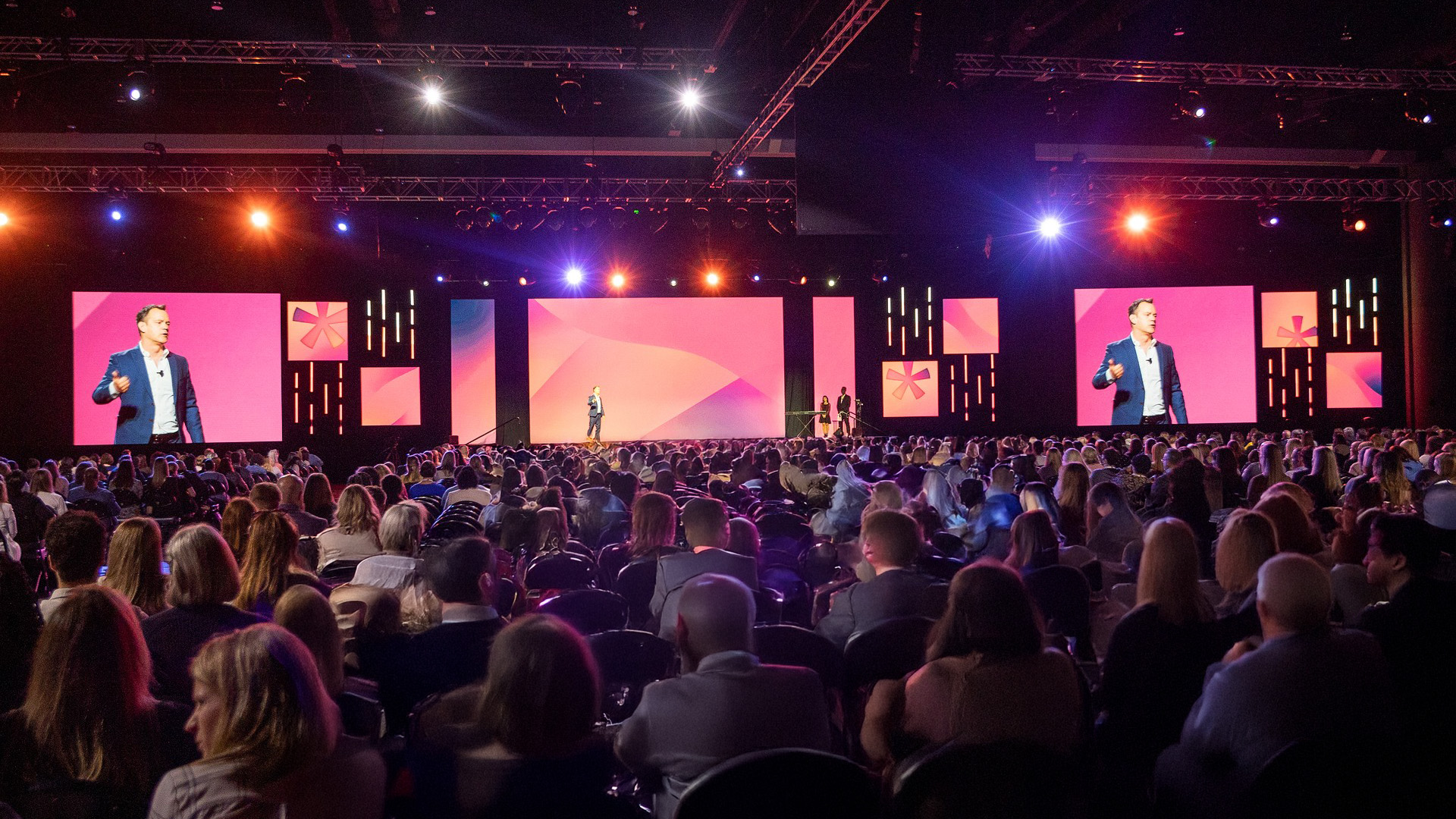
Build it around the meeting you already have planned.
Tell us your audience, agenda, goals, and how much time you have. We’ll recommend the format that fits.
Signature Program
A hands-on workshop where the full group practices listening, adaptability, communication, collaboration, and thinking in real time.
Ideal for retreats, regional meetings, leadership teams, and deeper development sessions.
Explore the Signature ProgramKeynote Experience
An interactive large-group format combining presentation, participation, and practical communication concepts.
Ideal for sales kickoffs, national meetings, and conference-style agendas.
Explore the Keynote ExperienceCustom Solutions
Shape programming around your sales environment, company values, communication challenges, meeting theme, or leadership objectives.
Ideal when the real challenge doesn’t fit neatly inside an off-the-shelf workshop.
Explore Custom SolutionsYou don’t get better at real conversations by watching another presentation about them.
Our work is experiential.
Listen. Respond. Adjust. Contribute. Take a risk. Miss something. Try again. Notice what changed.
Then we talk about why.
Asylum Team Building grew out of more than 25 years of professional improvisation, where listening, trust, adaptability, quick thinking, and supporting the people around you aren’t abstract concepts.
They’re how the work gets done.

Sales team training FAQs
Is this a replacement for our existing sales methodology?
No. We’re not trying to replace your methodology, CRM process, product training, or enablement strategy. This work strengthens the communication skills underneath them: listening, presence, adaptability, confidence, collaboration, and responding effectively in real time.
Do participants have to role-play sales calls?
Not in the traditional sense. The exercises are interactive, but they aren’t scripted mock calls where someone has to pretend to be a difficult customer in front of the room. We use improv-based activities to isolate and practice communication behaviors in a lower-pressure environment.
Can the program address situations specific to our sales organization?
Yes. We’ll discuss your goals before the session and can shape the exercises, debriefs, and applications around your team’s environment.
Is this appropriate for experienced salespeople?
Yes. Experience can actually make the work more interesting because participants already have communication habits, instincts, and assumptions they can examine.
Can this fit into a sales kickoff or annual meeting agenda?
Yes. Programs can range from interactive keynote formats to longer hands-on workshops depending on your audience size, schedule, and objectives.
Can you come to our meeting or retreat location?
Yes. Asylum Team Building facilitates programs at corporate offices, hotels, conference venues, retreat locations, and meeting spaces around the country.
Give your team something worth taking back to the next conversation.
Tell us about your sales team, your meeting, and what you want people to practice. We’ll help you find the right format.
Share a few details below and we’ll get back to you with next steps.